| Road | Price | PSF | Size | Date | Type |
|---|
|
Level 1
|
RM290,000
|
RM303
|
958 sqft
|
|
|
|
Level 2
|
RM285,000
|
RM297
|
958 sqft
|
|
|
|
Level 5
|
RM270,000
|
RM282
|
958 sqft
|
|
|
|
Level 1
|
RM263,000
|
RM275
|
958 sqft
|
|
Posts about Citra Residency
No posts about Citra Residency yet. Be the first to share what’s happening here.
Nearby areas in Setul
Nilai Impian
Kawasan Perusahaan Nilai 3
Taman Semarak Ii
Taman Nusa Seri Cengal 2 & 3
Xme business park
Nilai Industrial Zone
Kawasan Perindustrian Nilai 3
Taman Desaria
Bandar Universiti Teknologi Lagenda
Taman Bukit Mantin
Taman Mantin Putra
Bandar Uni. Tekn. Lagenda (Sri Palma Villa)
Citra Residency
PSF median price per sq ft · 12m its change over the past 12 months
Most-traded areas in this mukim, by number of recorded subsale transactions. See every area in Setul
Promote your property to visitors of this page
Market Snapshot
ResidentialRM285,000
RM298 psfMedian transaction price
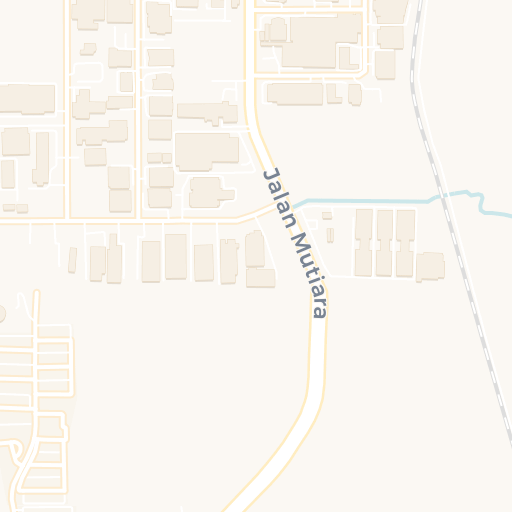
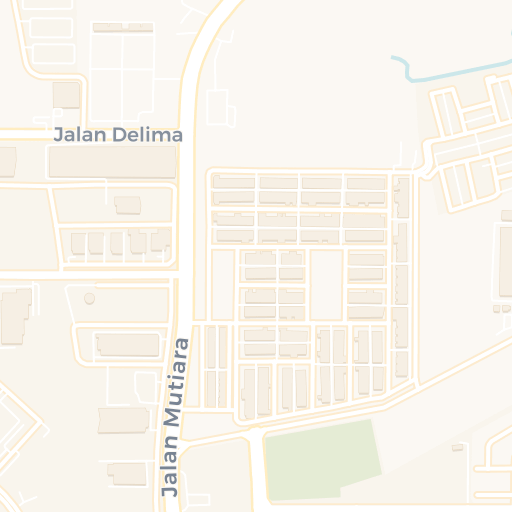
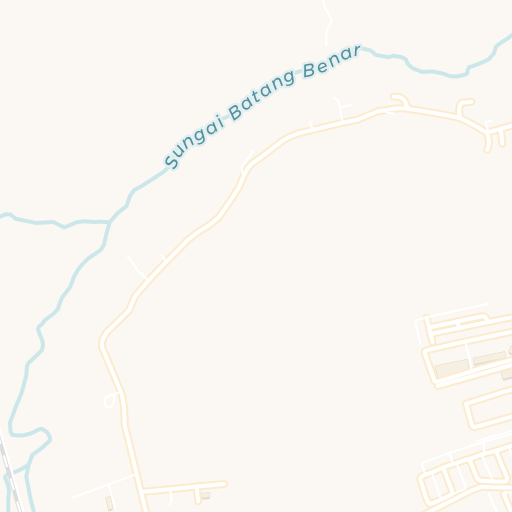
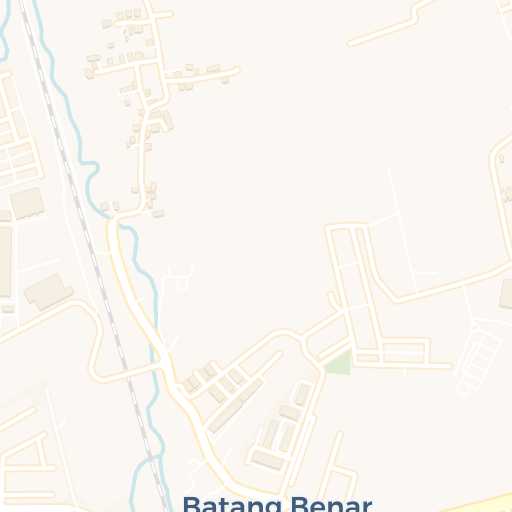
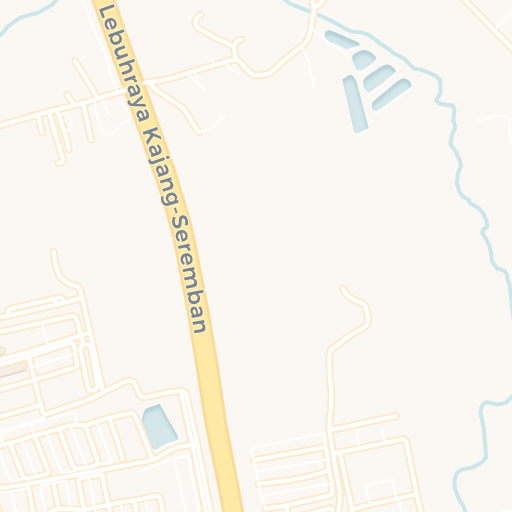
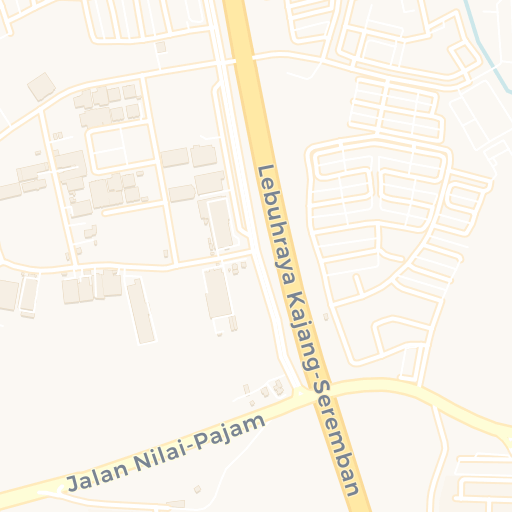
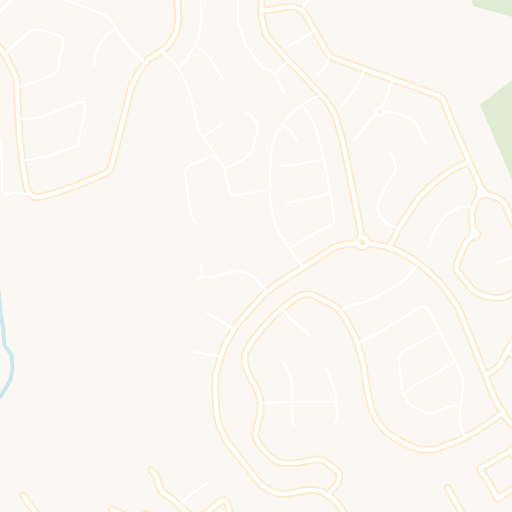
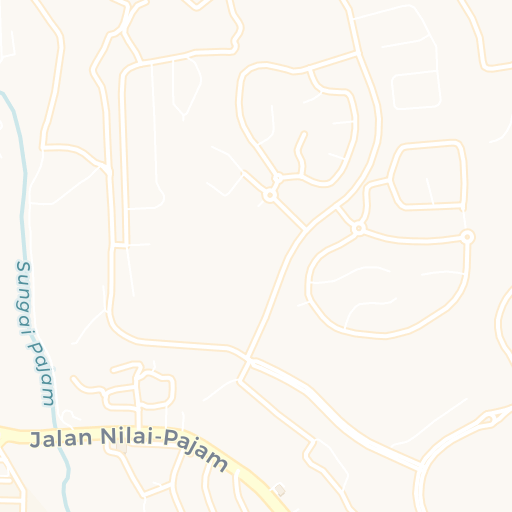
Jln Bukit Citra 10/1, 71700 Nilai, Negeri Sembilan, Malaysia
MapsCitra Residency in Seremban, Negeri Sembilan recorded 5 Condo/Apartment properties subsale transactions between 2021 and 2026, with a median price of RM285K and a median price per square foot (PSF) of RM298.
This area consists exclusively of residential properties, with no commercial listings recorded.
Price remained flat, and PSF growth was PSF remained flat. The median price is RM285K, with most transactions falling within a stable range of RM265K to RM305K, and a typical market range of RM269K to RM301K.
Within the Condo/Apartment category, condominium/apartment dominated the market, with moderate diversity in property types available.
For price per square foot, the median is RM298, with most transactions between RM284 and RM311. The usual range is RM277.50 to RM317.50, showing that most units are priced quite close to each other. A typical spread (IQR) of RM40.00 and an average deviation (MAD) of RM13 indicate a highly stable PSF trend across properties.
Overall, the market in this area appears stable with consistent appreciation, making it an attractive option for both investors and homebuyers. Despite diverse property types, prices remain relatively stable, offering options for different buyer preferences. Limited transaction history suggests carefully evaluating comparable sales data.