| Road | Price | PSF | Size | Date | Type |
|---|
|
Prsn Desa Jaya 3
|
RM236,000
|
RM169
|
1,399 sqft
|
|
|
|
Persiaran Desa Jaya 1
|
RM155,000
|
RM111
|
1,399 sqft
|
|
|
|
Prsn Desa Jaya 5
|
RM150,000
|
RM107
|
1,399 sqft
|
|
|
Persiaran Desa Jaya 4
|
RM193,000
|
RM132
|
1,464 sqft
|
|
|
|
Persn Desa Jaya 1
|
RM250,000
|
RM171
|
1,464 sqft
|
|
|
|
Persiaran Desa Jaya 4
|
RM280,000
|
RM191
|
1,464 sqft
|
|
|
|
Psrn Desa Jaya 2
|
RM240,000
|
RM164
|
1,464 sqft
|
|
|
Prsn Desa Jaya 7
|
RM240,000
|
RM149
|
1,615 sqft
|
|
Posts about Taman Sri Tanjung
No posts about Taman Sri Tanjung yet. Be the first to share what’s happening here.
Nearby areas in Ulu Kinta
Bandar Baru Sri Klebang
Panorama Lapangan Perdana
Prima Meru
Taman Kinding Flora
Taman Cempaka
Bandar Baru Lapangan
Taman Klebang Putra
Bandar Seri Botani
Taman Polo Laguna @ Tambun
Taman Desa Lang Indah
Medan Klebang Restu
Taman Pertama (Silibin)
Taman Sri Tanjung
PSF median price per sq ft · 12m its change over the past 12 months
Most-traded areas in this mukim, by number of recorded subsale transactions. See every area in Ulu Kinta
Market Snapshot
ResidentialRM238,000
RM163 psfMedian transaction price
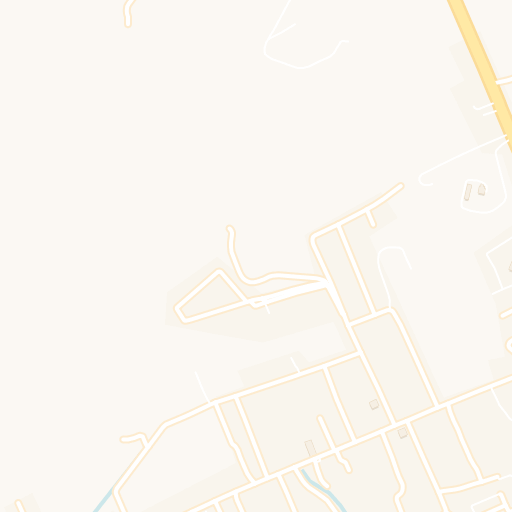
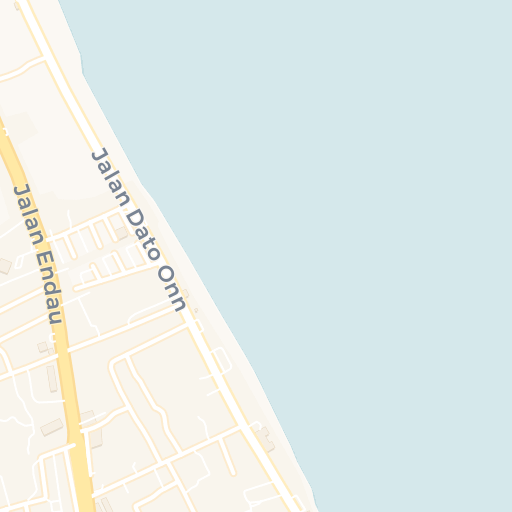

Taman Sri Tanjung, Kinta, Perak
Taman Sri Tanjung in Kinta, Perak recorded 8 subsale transactions between 2021 and 2026, with a median price of RM238K and a median price per square foot (PSF) of RM164.
This area consists exclusively of residential properties, with no commercial listings recorded.
Price remained flat, and PSF growth was PSF remained flat. The median price is RM238K, with most transactions falling within a stable range of RM211K to RM265K, and a typical market range of RM209K to RM268K.
Most transactions involved 2 - 2 1/2 storey terraced, though some variety exists in the market.
The median PSF stands at RM164, with core pricing between RM143 and RM184. Market pricing typically extends from RM142.70 to RM185.20, reflecting moderate variation in unit pricing. With an IQR of RM42.50 and MAD of RM21, the PSF demonstrates reasonable consistency across the market.
Overall, the market in this area appears stable with consistent appreciation, making it an attractive option for both investors and homebuyers. The consistent property type and stable pricing make it easier to assess value and compare trends. Limited transaction history suggests carefully evaluating comparable sales data.