| Road | Price | PSF | Size | Date | Type |
|---|
|
Level 2
|
RM495,000
|
RM297
|
1,668 sqft
|
|
|
|
Level 1
|
RM840,000
|
RM507
|
1,658 sqft
|
|
|
|
Level 4
|
RM390,000
|
RM234
|
1,668 sqft
|
|
Posts about Perindustrian Felton
No posts about Perindustrian Felton yet. Be the first to share what’s happening here.
Nearby areas in 12
Bayan Baru
Ideal Vision Park @ Tree Sparina
Mutiara Perdana
Taman Sri Nibong
I-Park
Setia Pulau Mutiara
Arasia Perdana (The Clovers)
Mahsuri Square
Bayan City / Elite Height
Desa Bayan
Taman Tunas Damai
Queens Residences Q1 @ Queens Waterfront
Perindustrian Felton
PSF median price per sq ft · 12m its change over the past 12 months
Most-traded areas in this mukim, by number of recorded subsale transactions. See every area in 12
Market Snapshot
CommercialRM495,000
RM282 psfMedian transaction price
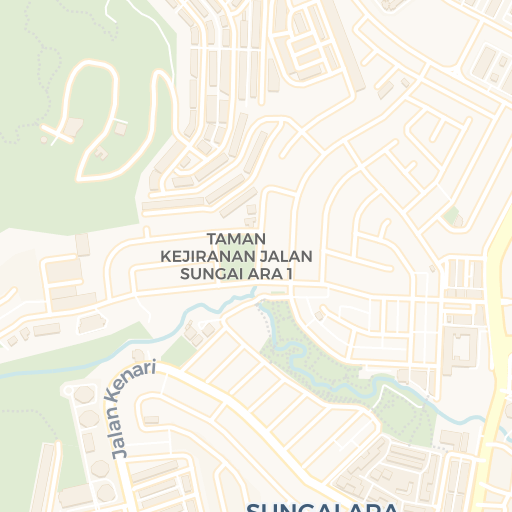
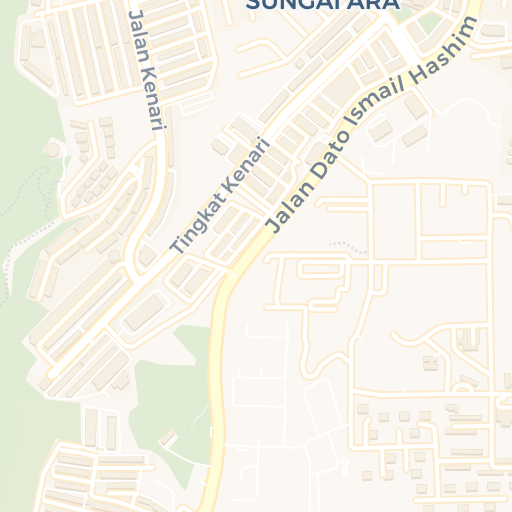
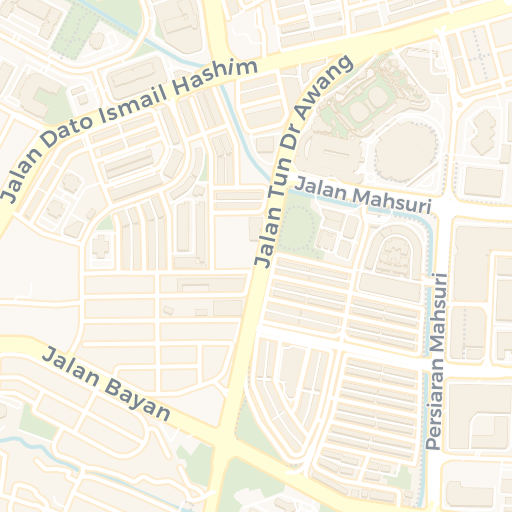
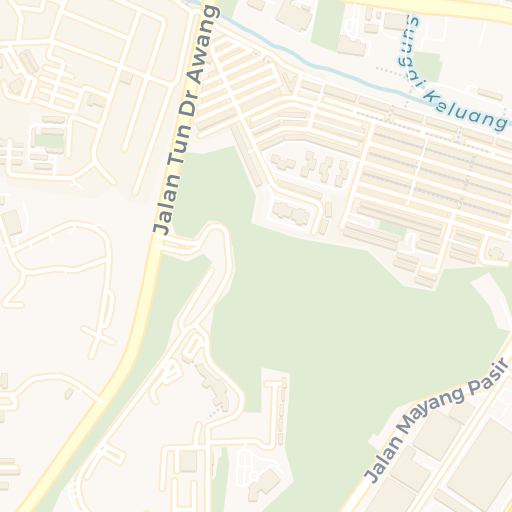
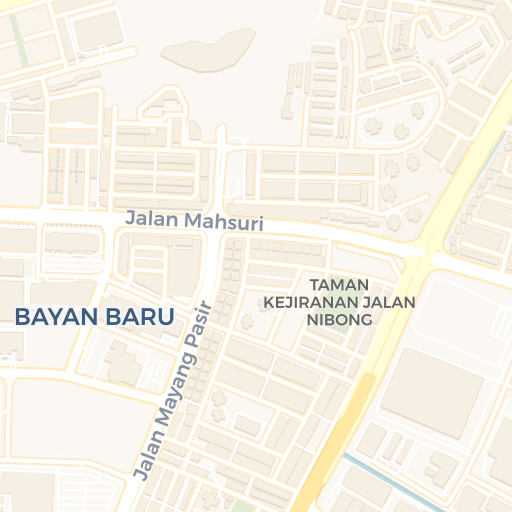
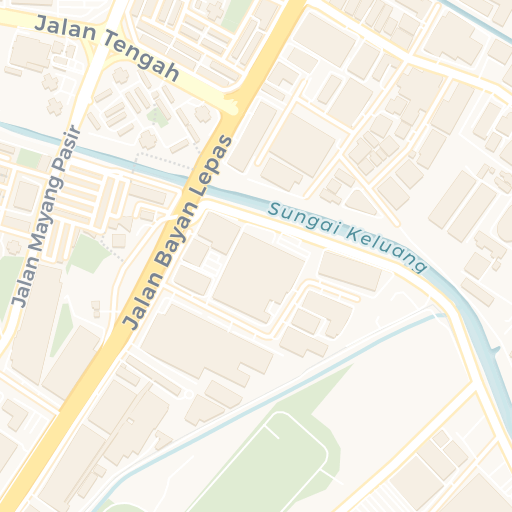
Southwest District, Penang, Malaysia
MapsPerindustrian Felton in Barat Daya, Penang recorded 5 Industrial Unit properties subsale transactions between 2021 and 2026, with a median price of RM495K and a median price per square foot (PSF) of RM282.
This area consists exclusively of commercial properties, with no residential listings recorded.
Price remained flat, and PSF growth was PSF remained flat. The median price is RM495K, with most transactions falling within a stable range of RM390K to RM658K, and a typical market range of RM390K to RM840K.
Within the Industrial Unit category, industrial unit dominated the market, with moderate diversity in property types available.
Price per square foot shows a median of RM282, though individual units vary from RM186 to RM378 in the core range. The broader market spans RM0.00 to RM576.78, indicating diverse property characteristics. A wider spread (IQR: RM589.25) and deviation (MAD: RM96) indicate significant PSF variations, likely due to diverse property types or conditions.
While the area has shown positive growth trends, price variations suggest a more dynamic market. This presents opportunities for investors comfortable with moderate volatility. Significant price variations suggest comparing multiple properties and timing the market carefully. Limited transaction history suggests carefully evaluating comparable sales data.