| Price | PSF | Size | Date | Type |
|---|
|
RM12,000,000
|
RM67
|
179,542 sqft
|
|
|
|
RM8,800,000
|
RM154
|
57,049 sqft
|
|
|
|
RM16,000,000
|
RM94
|
170,070 sqft
|
|
|
RM21,000,000
|
RM129
|
162,212 sqft
|
|
Selling in Jalan Seelong - Senai? Homes here sold for a median of RM15,000,000.
Free to list, about two minutes, and the buyers reading this page will see it.
Posts about Jalan Seelong - Senai
No posts about Jalan Seelong - Senai yet. Be the first to share what’s happening here.
Nearby areas in Senai
Bandar Putra
Taman Scientex Senai
D'art Hills Residence
Taman Mutiara Hijau
D'putra Suites
Taman Senai Jaya
Taman Saga
Taman Desa Idaman
Taman Impian Senai
Senai Industrial Park
Taman Mewah Kulai
Taman Makmur
Jalan Seelong - Senai
PSF median price per sq ft · 12m its change over the past 12 months
Most-traded areas in this mukim, by number of recorded subsale transactions. See every area in Senai
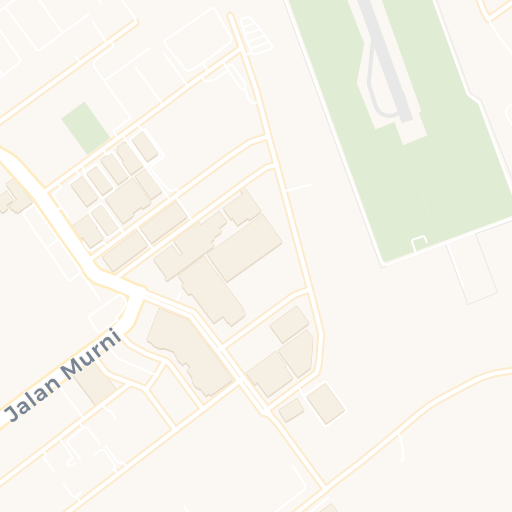
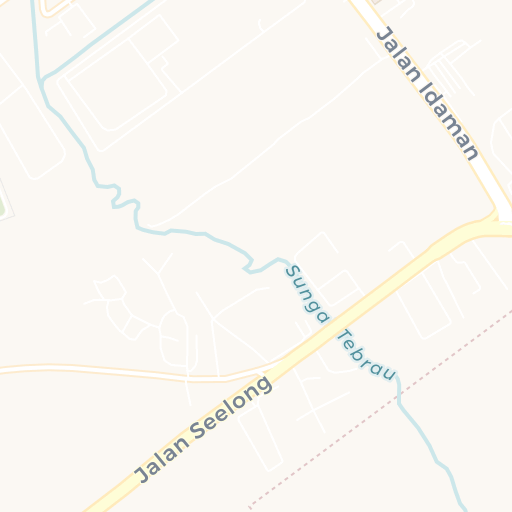
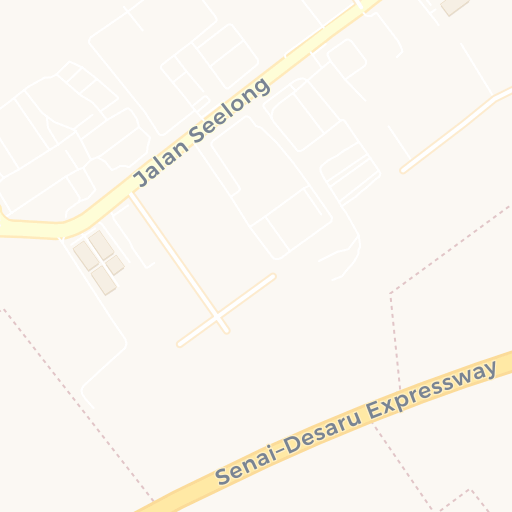
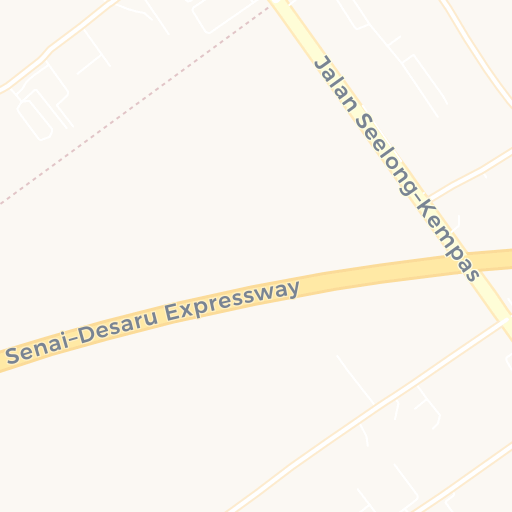
Jalan Seelong, Senai, Johor, Malaysia
MapsJalan Seelong - Senai in Kulai, Johor recorded 7 subsale transactions between 2021 and 2026, with a median price of RM15.00 million and a median price per square foot (PSF) of RM94.
Price remained flat, and PSF growth was PSF remained flat. The median price is RM15.00 million, with most transactions falling within a stable range of RM9.00 million to RM21.00 million, and a typical market range of RM10.95 million to RM19.05 million.
Most transactions involved detached factory/warehouse, with minimal variety in property types.
Price per square foot shows a median of RM94, though individual units vary from RM74 to RM114 in the core range. The broader market spans RM76.08 to RM112.08, indicating diverse property characteristics. The spread of RM36.00 (IQR) and deviation of RM20 (MAD) suggest moderate price variations reflecting different property features.
While the area has shown positive growth trends, price variations suggest a more dynamic market. This presents opportunities for investors comfortable with moderate volatility. Some price volatility exists, making thorough market research essential before transacting. Limited transaction history suggests carefully evaluating comparable sales data.