Bukit Serdang Sek. 4
Taman Bukit Serdang, 43300 Seri Kembangan, Selangor, Malaysia
Taman Bukit Serdang, 43300 Seri Kembangan, Selangor, Malaysia
| LIST.MY · Bukit Serdang Sek. 4 | |||||
|---|---|---|---|---|---|
|
Road
|
Price
|
PSF
|
Size
|
Date
|
Type
|
| 2024 | |||||
|
Level 10
|
RM245,000
|
RM325
|
753 sqft
|
|
Flat |
|
Level 3
|
RM250,000
|
RM332
|
753 sqft
|
|
Flat |
| 2023 | |||||
|
Level 9
|
RM263,000
|
RM349
|
753 sqft
|
|
Flat |
| 2022 | |||||
|
Level 5
|
RM280,000
|
RM372
|
753 sqft
|
|
Flat |
|
Level 10
|
RM248,000
|
RM329
|
753 sqft
|
|
Flat |
| 2021 | |||||
|
Level 9
|
RM250,000
|
RM332
|
753 sqft
|
|
Flat |
New Launches in Selangor
View all
Posts about Bukit Serdang Sek. 4
No posts about Bukit Serdang Sek. 4 yet. Be the first to share what’s happening here.
Nearby areas in Pekan Serdang
Taman Universiti Indah
Taman Sri Serdang
One South Soho
Cheong Hin Commercial City
Taman Serdang Perdana
South City Service Apartment
Taman Bukit Serdang - Seksyen 2
Pusat Perd. Sri Kembangan
Bukit Serdang Light Industrial Park
Bukit Sri Serdang Light Industrial Park
Kampung Baru Sri Kembangan
Serdang Skyvillas
Bukit Serdang Sek. 4
PSF median price per sq ft · 12m its change over the past 12 months
Most-traded areas in this mukim, by number of recorded subsale transactions. See every area in Pekan Serdang
Market Snapshot
ResidentialRM250,000
RM332 psfMedian transaction price
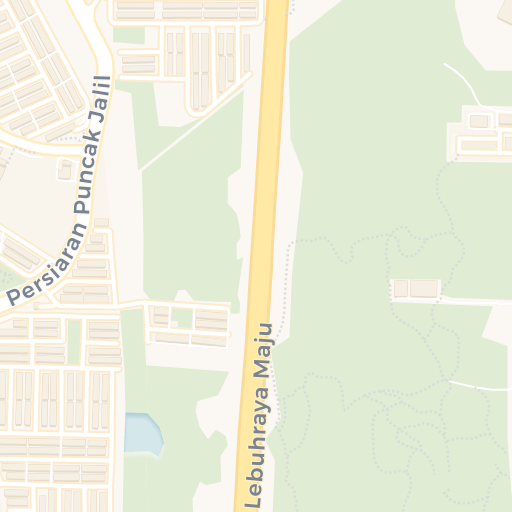
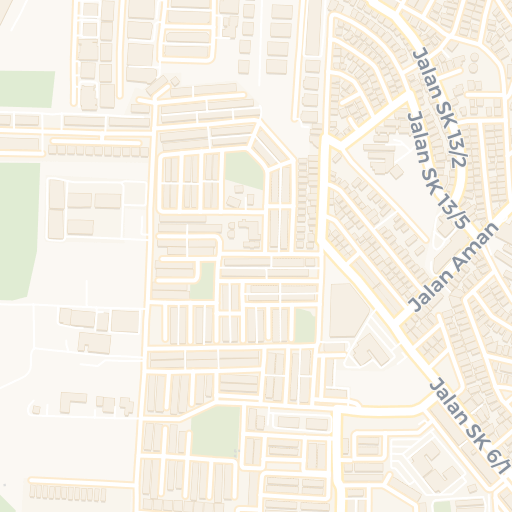
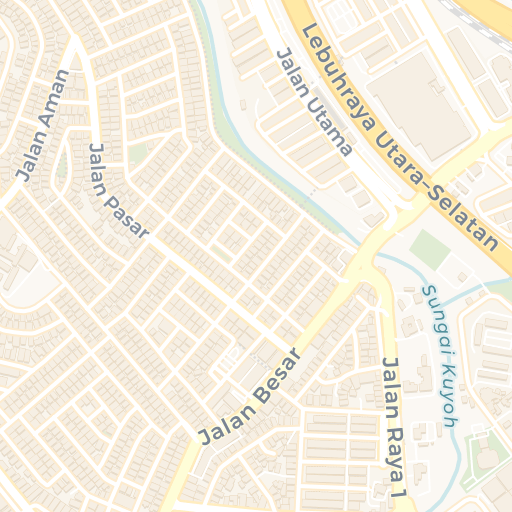
Taman Bukit Serdang, 43300 Seri Kembangan, Selangor, Malaysia
MapsBukit Serdang Sek. 4 in Petaling, Selangor recorded 6 subsale transactions between 2021 and 2026, sized between 725 and 774 sqft, with a median price of RM250K and a median price per square foot (PSF) of RM332.
This area consists exclusively of residential properties, with no commercial listings recorded.
Price remained flat, and PSF growth was PSF remained flat. The median price is RM250K, with most transactions falling within a stable range of RM245K to RM262K, and a typical market range of RM245K to RM280K.
Most transactions involved 2 - 2 1/2 storey terraced, with high diversity across multiple property types.
For price per square foot, the median is RM332, with most transactions between RM316 and RM348. The usual range is RM238.80 to RM424.80, showing that most units are priced quite close to each other. With an IQR of RM186.00 and MAD of RM16, the PSF demonstrates reasonable consistency across the market.
While the area has shown positive growth trends, price variations suggest a more dynamic market. This presents opportunities for investors comfortable with moderate volatility. Significant price variations suggest comparing multiple properties and timing the market carefully. Limited transaction history suggests carefully evaluating comparable sales data.