| LIST.MY · Taman Ipoh | |||||
|---|---|---|---|---|---|
|
Road
|
Price
|
PSF
|
Size
|
Date
|
Type
|
| 2025 | |||||
|
Pekeliling Tasek
|
RM390,000
|
RM229
|
1,701 sqft
|
|
2-Sty Terrace |
|
Jalan La Salle
|
RM430,000
|
RM253
|
1,701 sqft
|
|
2-Sty Terrace |
| 2024 | |||||
|
Jalan La Salle
|
RM450,000
|
RM265
|
1,701 sqft
|
|
2-Sty Terrace |
| 2023 | |||||
|
Lengkok Canning
|
RM370,000
|
RM218
|
1,701 sqft
|
|
2-Sty Terrace |
|
Jalan Canning Estate
|
RM530,000
|
RM312
|
1,701 sqft
|
|
2-Sty Terrace |
| 2022 | |||||
|
Leboh Sungai Senam
|
RM388,000
|
RM228
|
1,701 sqft
|
|
2-Sty Terrace |
|
Pekeliling Tasek
|
RM480,000
|
RM282
|
1,701 sqft
|
|
2-Sty Terrace |
Posts about Taman Ipoh
No posts about Taman Ipoh yet. Be the first to share what’s happening here.
Nearby areas in Ulu Kinta
Bandar Baru Sri Klebang
Panorama Lapangan Perdana
Prima Meru
Taman Kinding Flora
Taman Cempaka
Bandar Baru Lapangan
Taman Klebang Putra
Bandar Seri Botani
Taman Polo Laguna @ Tambun
Taman Desa Lang Indah
Medan Klebang Restu
Taman Pertama (Silibin)
Taman Ipoh
PSF median price per sq ft · 12m its change over the past 12 months
Most-traded areas in this mukim, by number of recorded subsale transactions. See every area in Ulu Kinta
Market Snapshot
ResidentialRM430,000
RM253 psfMedian transaction price
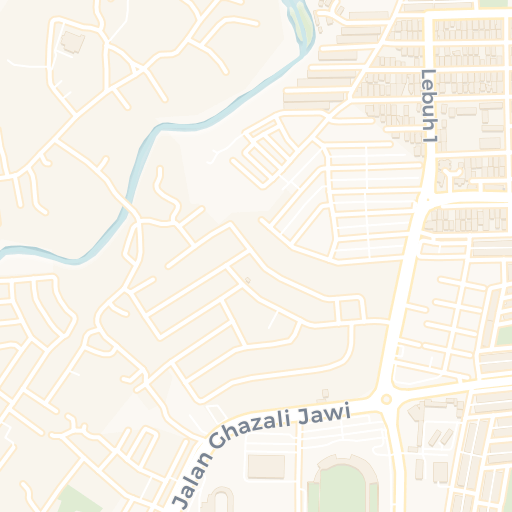
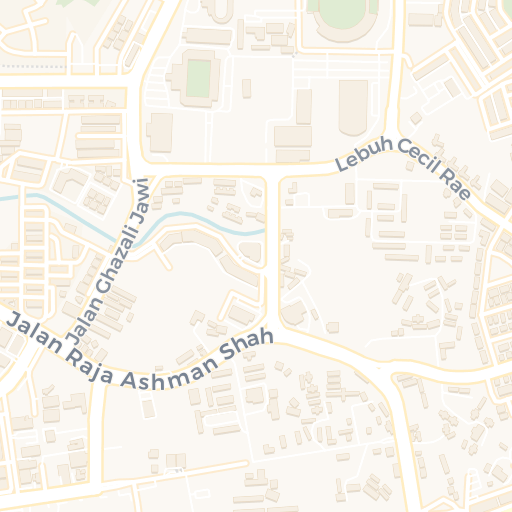
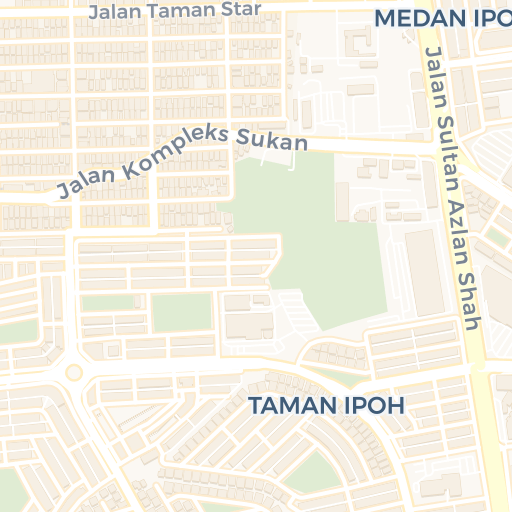
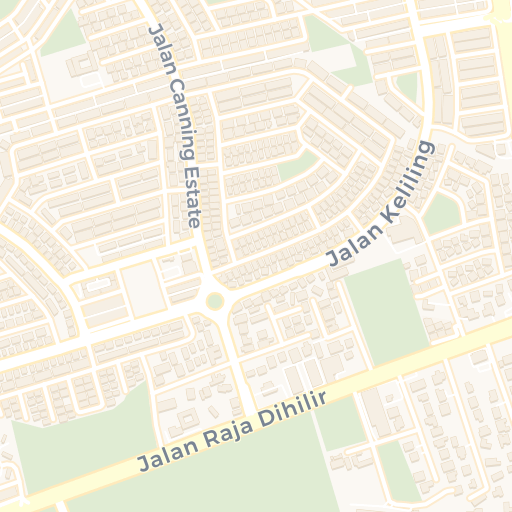
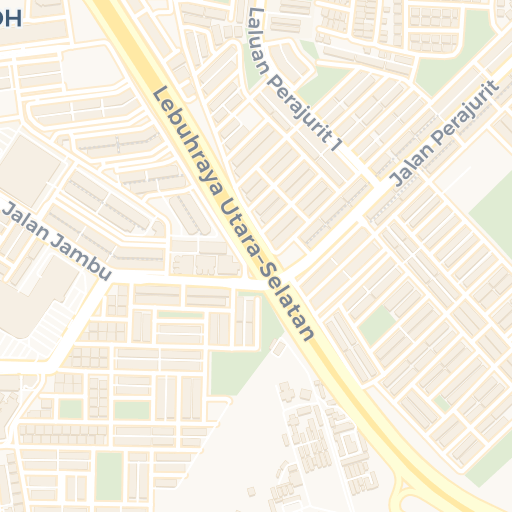
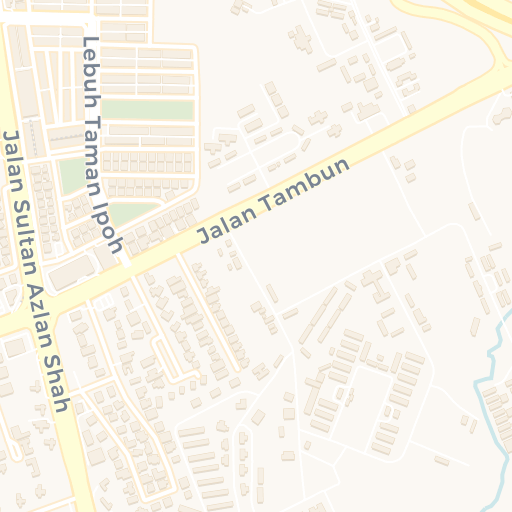
Taman Ipoh, 31400 Ipoh, Perak, Malaysia
MapsTaman Ipoh in Kinta, Perak recorded 7 subsale transactions between 2021 and 2026, sized between 1,675 and 1,724 sqft, with a median price of RM430K and a median price per square foot (PSF) of RM253.
This area contains both residential and commercial properties. View 107 residential properties or 7 commercial properties separately for more focused analysis.
Price remained flat, and PSF growth was PSF remained flat. The median price is RM430K, with most transactions falling within a stable range of RM377K to RM483K, and a typical market range of RM370K to RM530K.
Most transactions involved 1 - 1 1/2 storey terraced, with high diversity across multiple property types.
The median PSF stands at RM253, with core pricing between RM222 and RM284. Market pricing typically extends from RM222.34 to RM283.34, reflecting moderate variation in unit pricing. With an IQR of RM61.00 and MAD of RM31, the PSF demonstrates reasonable consistency across the market.
While the area has shown positive growth trends, price variations suggest a more dynamic market. This presents opportunities for investors comfortable with moderate volatility. Some price volatility exists, making thorough market research essential before transacting. Limited transaction history suggests carefully evaluating comparable sales data.