Property Type
| LIST.MY · Taman Pinji Seni | |||||
|---|---|---|---|---|---|
|
Road
|
Price
|
PSF
|
Size
|
Date
|
Type
|
| 2022 | |||||
|
Laluan Pinji Seni 2
|
RM400,000
|
RM234
|
1,711 sqft
|
|
2-Sty Terrace |
|
Laluan Pinji Seni 3
|
RM435,000
|
RM254
|
1,711 sqft
|
|
2-Sty Terrace |
|
Laluan Pinji Seni 4
|
RM1,168,000
|
RM325
|
3,595 sqft
|
|
2-Sty Shop |
Selling in Taman Pinji Seni? Homes here sold for a median of RM435,000.
Free to list, about two minutes, and the buyers reading this page will see it.
Posts about Taman Pinji Seni
No posts about Taman Pinji Seni yet. Be the first to share what’s happening here.
Nearby areas in Ipoh Selatan
Prima Falim
Prima @ Kampung Paloh
Kampung Baru Pasir Pinji
Taman Medan Buntong Selatan
Jalan Bendahara
The Majestic (Imperial & Majestic)
Kampung Baru Buntong
Kondominium Damaipuri
Taman Chateau
Jalan Pasir Putih
Housing Trust
Taman Pinji Seni
Marketplace listings
PSF median price per sq ft · 12m its change over the past 12 months
Most-traded areas in this mukim, by number of recorded subsale transactions. See every area in Ipoh Selatan
Market Snapshot
ResidentialRM417,500
RM244 psfMedian transaction price
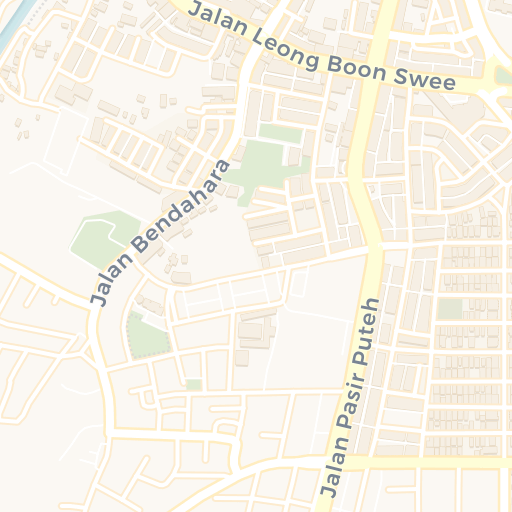
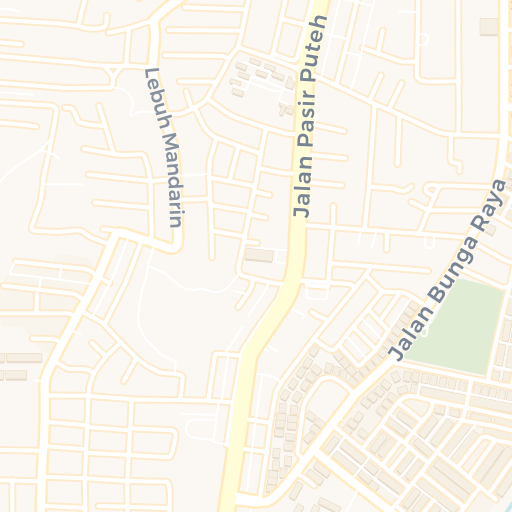
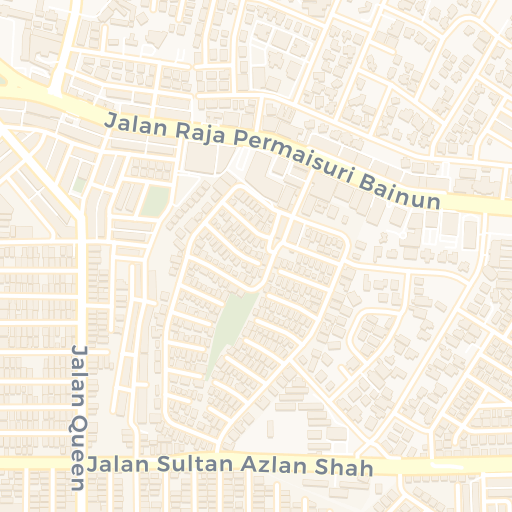
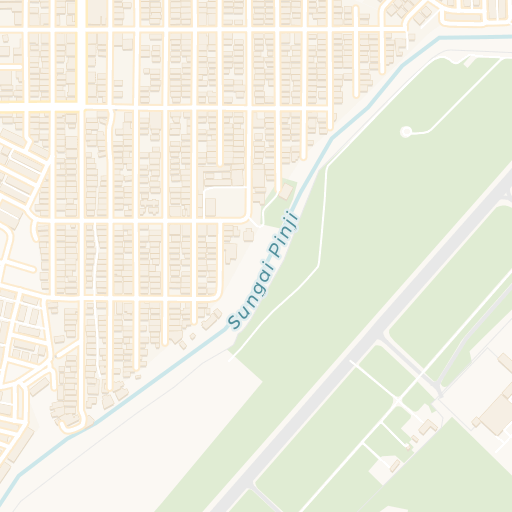
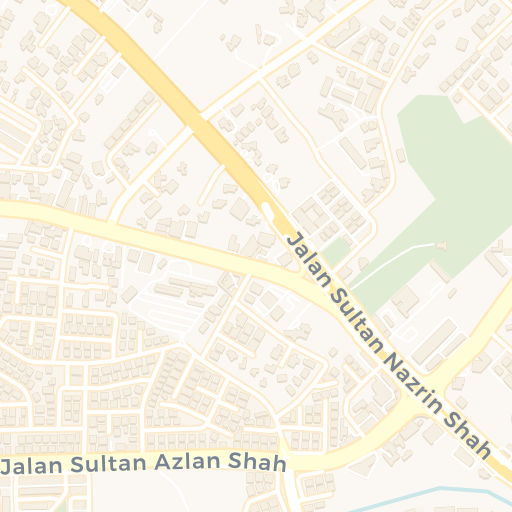
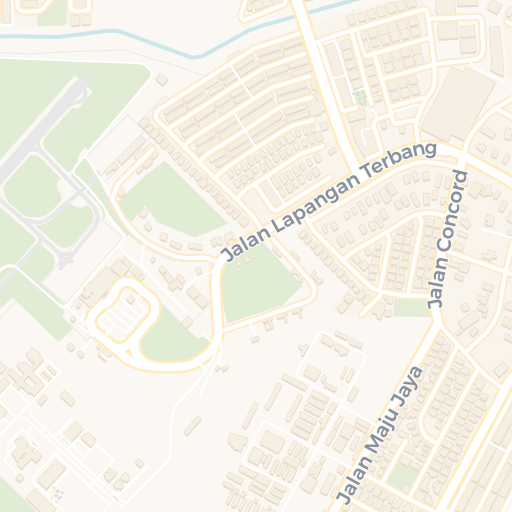
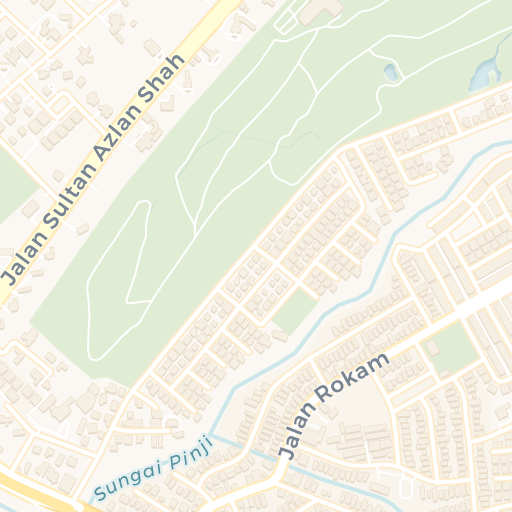
Taman Pinji Seni, Kinta, Perak
Taman Pinji Seni in Kinta, Perak recorded 3 subsale transactions in 2022, with a median price of RM435K and a median price per square foot (PSF) of RM254.
This area contains both residential and commercial properties. View 7 residential properties or 2 commercial properties separately for more focused analysis.
Price remained flat, and PSF growth was PSF remained flat. The median price is RM435K, with most transactions falling within a stable range of RM400K to RM789K, and a typical market range of RM400K to RM506K.
Most transactions involved 2 - 2 1/2 storey terraced, with moderate diversity in property types available.
The median PSF stands at RM254, with core pricing between RM215 and RM293. Market pricing typically extends from RM195.17 to RM313.17, reflecting moderate variation in unit pricing. The spread of RM118.00 (IQR) and deviation of RM39 (MAD) suggest moderate price variations reflecting different property features.
While the area has shown positive growth trends, price variations suggest a more dynamic market. This presents opportunities for investors comfortable with moderate volatility. Significant price variations suggest comparing multiple properties and timing the market carefully. Limited transaction history suggests carefully evaluating comparable sales data.