Setia V Residences
Lorong Burma, 10250 George Town, Pulau Pinang, Malaysia
Lorong Burma, 10250 George Town, Pulau Pinang, Malaysia
| Road | Price | PSF | Size | Date | Type |
|---|
|
Level 15
|
RM1,860,000
|
RM1,280
|
1,453 sqft
|
|
Selling in Setia V Residences? Homes here sold for a median of RM1,860,000.
Free to list, about two minutes, and the buyers reading this page will see it.
Posts about Setia V Residences
No posts about Setia V Residences yet. Be the first to share what’s happening here.
Nearby areas in Georgetown
Sri Saujana-Macallum
The Rise Collection 1
3 Residence
The Rise Collection Ii
Sandi Land Condominium
Desa Pinang 2
Beacon Executive Suites
Island Park
Rumah Pangsa Mppp
Wisma Central
Gat Lebuh Maccallum Flat 12/22T
Serina Bay
Setia V Residences
PSF median price per sq ft · 12m its change over the past 12 months
Most-traded areas in this mukim, by number of recorded subsale transactions. See every area in Georgetown
Market Snapshot
ResidentialRM1,860,000
RM1,280 psfMedian transaction price
Know your return before you buy
See the gross rental yield for SETIA V RESIDENCES and compare before you put down a deposit.
Get PlusRM59 a month, cancel any time
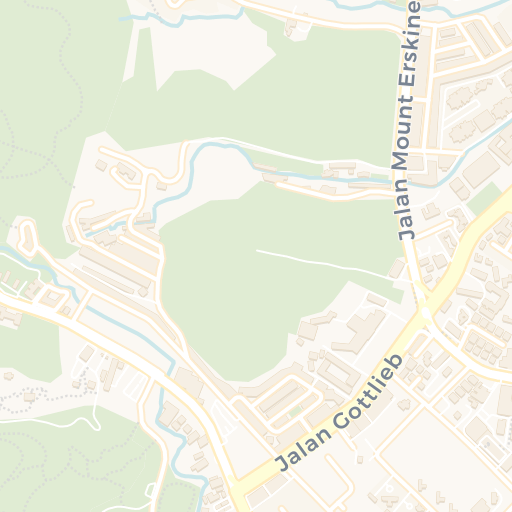

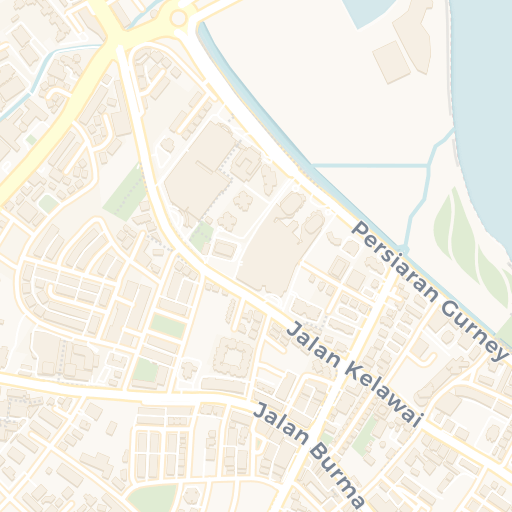
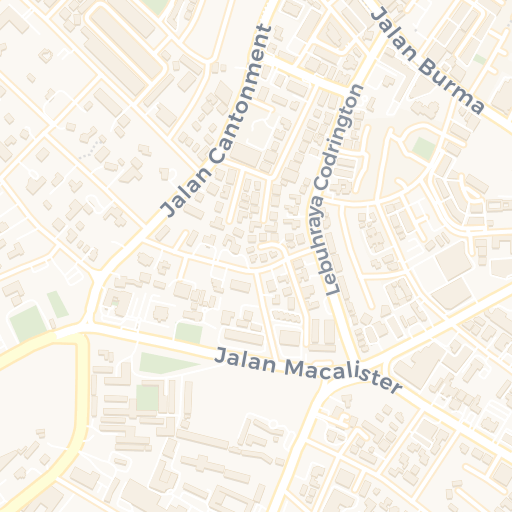


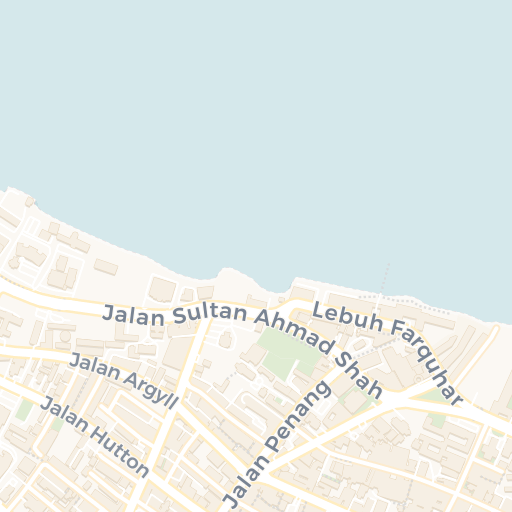
Lorong Burma, 10250 George Town, Pulau Pinang, Malaysia
MapsSetia V Residences in Timur Laut, Penang recorded 1 subsale transactions in 2025, with a median price of RM1.86 million and a median price per square foot (PSF) of RM1,280.
This area consists exclusively of residential properties, with no commercial listings recorded.
Price remained flat, and PSF growth was PSF remained flat.
Most transactions involved condominium/apartment, with minimal variety in property types.
For price per square foot, the median is RM1,280, with most transactions between RM1,280 and RM1,280. The usual range is RM1,075.50 to RM1,484.50, showing that most units are priced quite close to each other. With an IQR of RM409.00 and MAD of RM0, the PSF demonstrates reasonable consistency across the market.
While the area has shown positive growth trends, price variations suggest a more dynamic market. This presents opportunities for investors comfortable with moderate volatility. Significant price variations suggest comparing multiple properties and timing the market carefully. Limited transaction history suggests carefully evaluating comparable sales data.