Seri Kota
30, Jalan Samak, Kampung Makam, 10150 George Town, Penang, Malaysia
30, Jalan Samak, Kampung Makam, 10150 George Town, Penang, Malaysia
| Road | Price | PSF | Size | Date | Type |
|---|
|
Level 1
|
RM420,000
|
RM565
|
743 sqft
|
|
|
|
Level 10
|
RM345,000
|
RM465
|
743 sqft
|
|
|
|
Level 10
|
RM335,000
|
RM451
|
743 sqft
|
|
Selling in Seri Kota? Homes here sold for a median of RM350,000.
Free to list, about two minutes, and the buyers reading this page will see it.
Posts about Seri Kota
No posts about Seri Kota yet. Be the first to share what’s happening here.
Nearby areas in Georgetown
Sri Saujana-Macallum
The Rise Collection 1
3 Residence
The Rise Collection Ii
Sandi Land Condominium
Desa Pinang 2
Beacon Executive Suites
Island Park
Rumah Pangsa Mppp
Wisma Central
Gat Lebuh Maccallum Flat 12/22T
Serina Bay
Seri Kota
PSF median price per sq ft · 12m its change over the past 12 months
Most-traded areas in this mukim, by number of recorded subsale transactions. See every area in Georgetown
Market Snapshot
ResidentialRM350,000
RM478 psfMedian transaction price
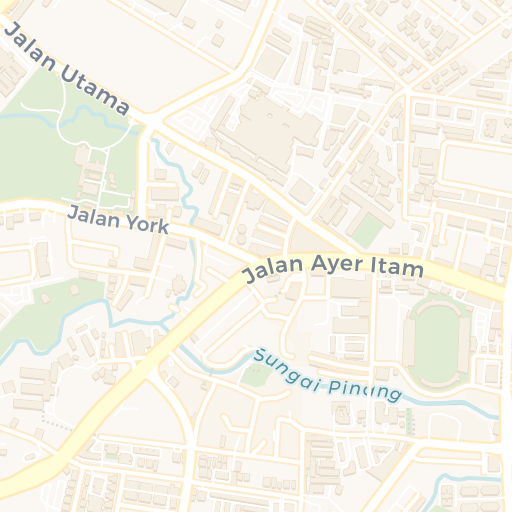
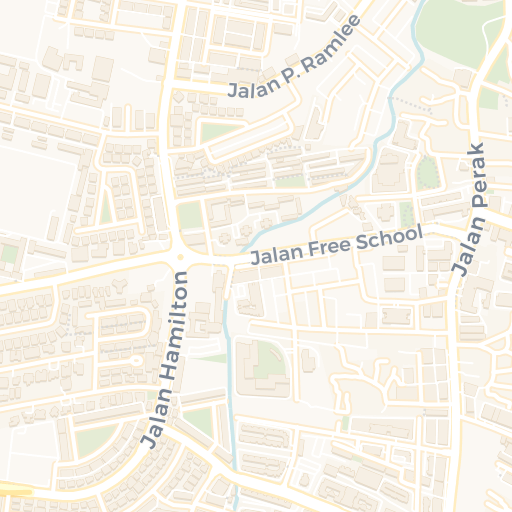
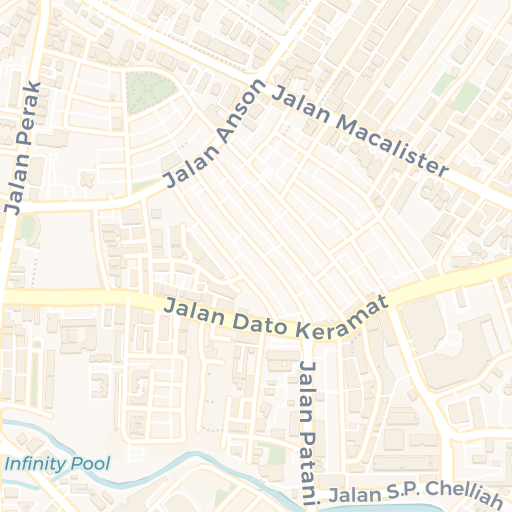
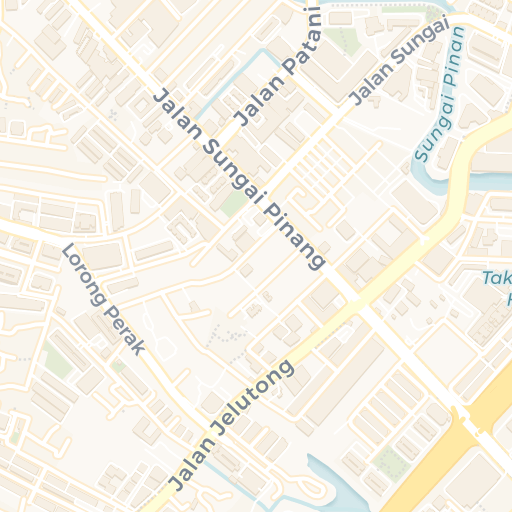
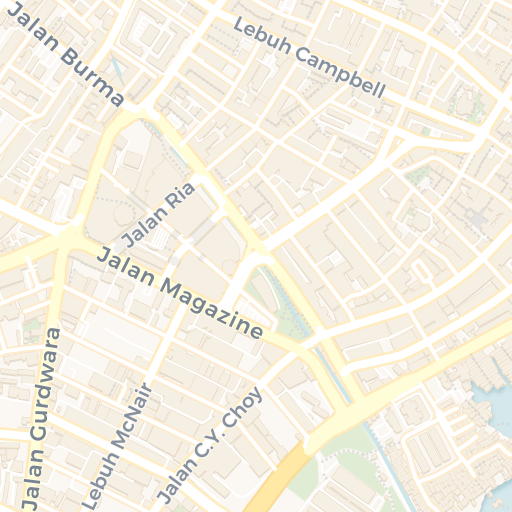
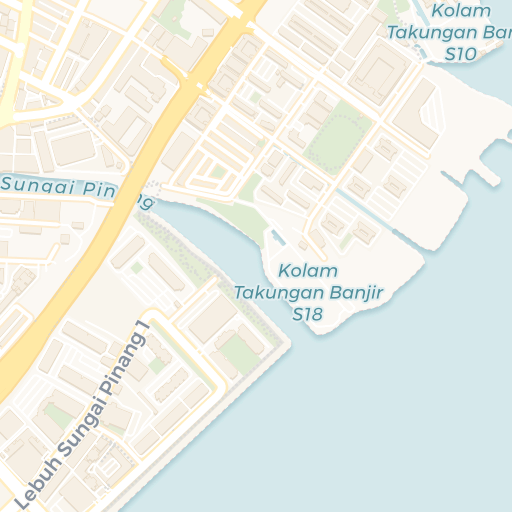
Seri Kota, 30, Jalan Samak, Kampung Makam, 10150 George Town, Penang, Malaysia
MapsSeri Kota in Timur Laut, Penang recorded 4 subsale transactions in 2024, with a median price of RM350K and a median price per square foot (PSF) of RM478.
This area consists exclusively of residential properties, with no commercial listings recorded.
Price remained flat, and PSF growth was PSF remained flat. The median price is RM350K, with most transactions falling within a stable range of RM335K to RM383K, and a typical market range of RM335K to RM365K.
Most transactions involved flats, though some variety exists in the market.
For price per square foot, the median is RM478, with most transactions between RM434 and RM523. The usual range is RM458.13 to RM498.63, showing that most units are priced quite close to each other. A typical spread (IQR) of RM40.50 and an average deviation (MAD) of RM44 indicate a highly stable PSF trend across properties.
Overall, the market in this area appears stable with consistent appreciation, making it an attractive option for both investors and homebuyers. The consistent property type and stable pricing make it easier to assess value and compare trends. Limited transaction history suggests carefully evaluating comparable sales data.