Taman Sri Serdang
6, Jalan Seri Serdang, Taman Seri Serdang, 13100 Kepala Batas, Pulau Pinang, Malaysia
6, Jalan Seri Serdang, Taman Seri Serdang, 13100 Kepala Batas, Pulau Pinang, Malaysia
Property Type
| Road | Price | PSF | Size | Date | Type |
|---|
|
Lorong Seri Serdang 4/5
|
RM260,000
|
RM125
|
2,081 sqft
|
|
Posts about Taman Sri Serdang
No posts about Taman Sri Serdang yet. Be the first to share what’s happening here.
Nearby areas in 6
Bertam Perdana
Bandar Putra Bertam
Bertam Perdana 2 - Lakeview
Bertam Perdana 2-Lakeview
Mekarsari Unggul (Fasa Iii)
Taman Bertam Indah
Kondo Villa Putera (Putera Villas)
Taman Sri Serdang
Taman Mekar Sari Anggun
Bandar Putra Bertam - Casa Innova
Taman Amansara (Amansara South)
Taman Mekar Sari
PSF median price per sq ft · 12m its change over the past 12 months
Most-traded areas in this mukim, by number of recorded subsale transactions. See every area in 6
Market Snapshot
RM260,000
RM125 psfMedian transaction price
RM450,000
RM322 psfMedian transaction price
Does TAMAN SRI SERDANG rent out well?
Gross yield, median rent and sale psf — worked out from transacted prices and asking rents.
See the yield with PlusRM59 a month, cancel any time
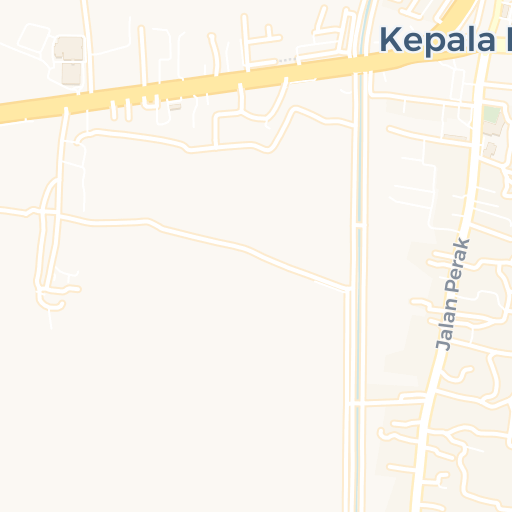
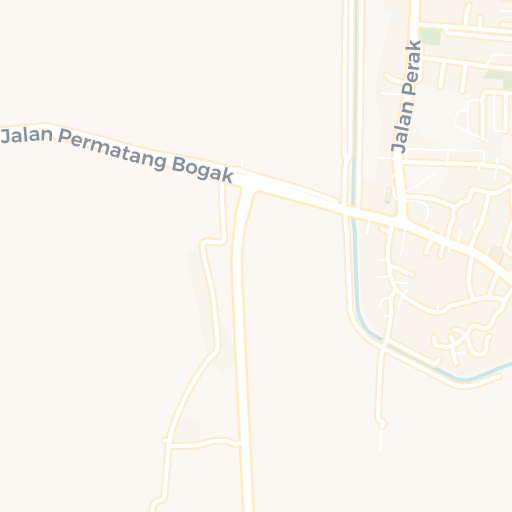
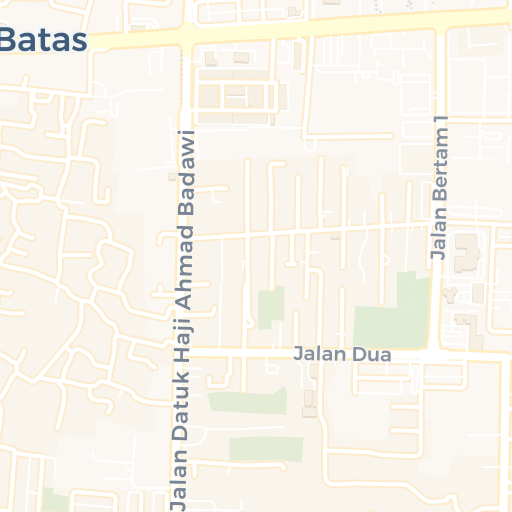
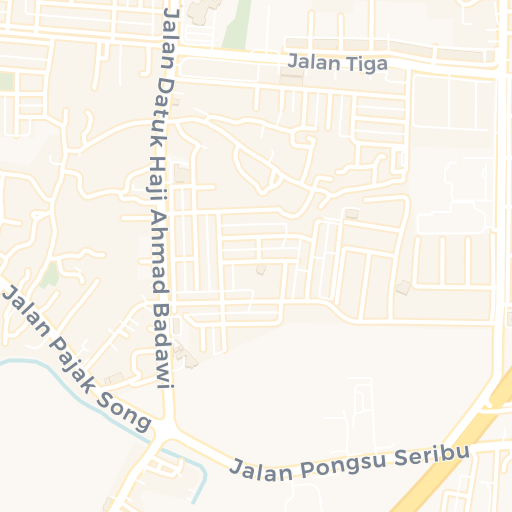
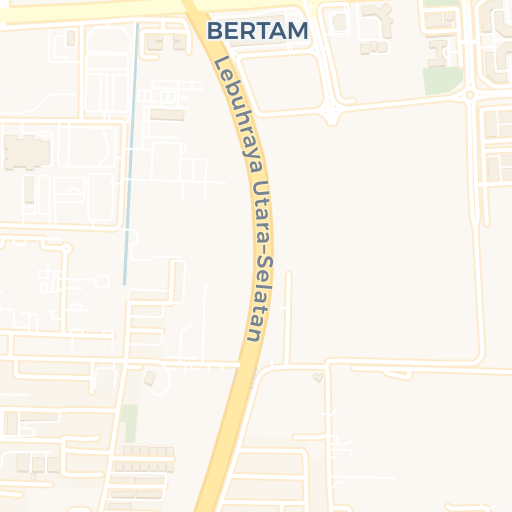
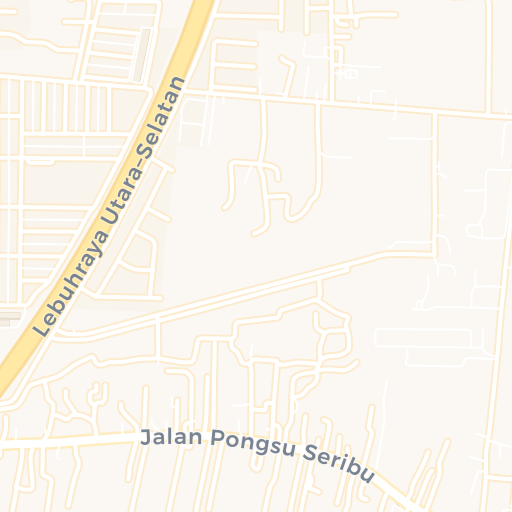
6, Jalan Seri Serdang, Taman Seri Serdang, 13100 Kepala Batas, Pulau Pinang, Malaysia
MapsTaman Sri Serdang in Seberang Perai Utara, Penang recorded 1 subsale transactions between 2021 and 2026, sized between 2,075 and 2,124 sqft, with a median price of RM260K and a median price per square foot (PSF) of RM125.
This area contains both residential and commercial properties. View 36 residential properties or 3 commercial properties separately for more focused analysis.
Price remained flat, and PSF growth was PSF remained flat.
Most transactions involved 1 - 1 1/2 storey terraced, with high diversity across multiple property types.
For price per square foot, the median is RM125, with most transactions between RM125 and RM125. The usual range is RM90.21 to RM159.71, showing that most units are priced quite close to each other. With an IQR of RM69.50 and MAD of RM0, the PSF demonstrates reasonable consistency across the market.
While the area has shown positive growth trends, price variations suggest a more dynamic market. This presents opportunities for investors comfortable with moderate volatility. Some price volatility exists, making thorough market research essential before transacting. Limited transaction history suggests carefully evaluating comparable sales data.