Pinggiran Bertam Perdana (BP4)
Taman Bertam Perdana, 13200 Kepala Batas, Penang, Malaysia
Taman Bertam Perdana, 13200 Kepala Batas, Penang, Malaysia
Property Type
Posts about Pinggiran Bertam Perdana (BP4)
No posts about Pinggiran Bertam Perdana (BP4) yet. Be the first to share what’s happening here.
Nearby areas in 3
Pinggiran Bertam Perdana (BP4)
Bertam Perdana
Jalan Paya Keladi
Bertam Perdana 2 - Lakeview
PSF median price per sq ft · 12m its change over the past 12 months
Most-traded areas in this mukim, by number of recorded subsale transactions. See every area in 3
Market Snapshot
RM330,000
RM246 psfMedian transaction price
RM656,000
RM402 psfMedian transaction price
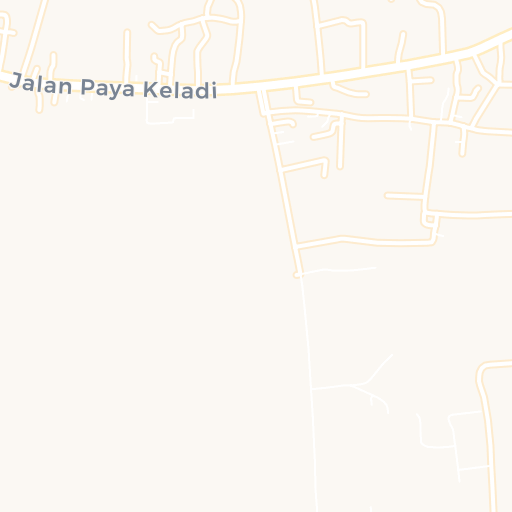
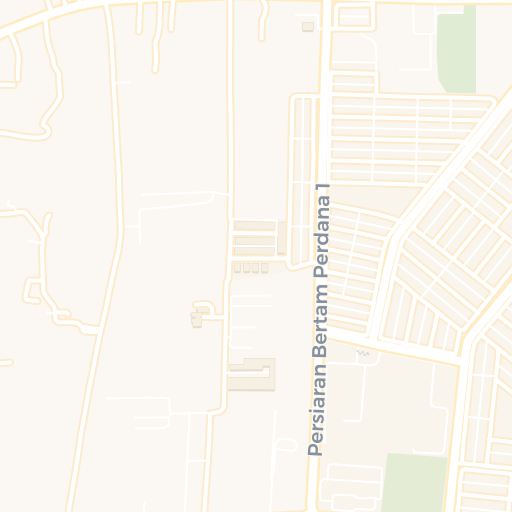
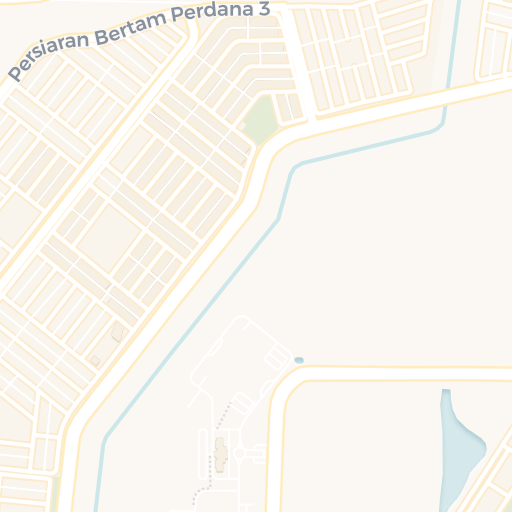
Taman Bertam Perdana, 13200 Kepala Batas, Penang, Malaysia
MapsPinggiran Bertam Perdana (BP4) in Seberang Perai Utara, Penang recorded 2 subsale transactions in 2021, with a median price of RM656K and a median price per square foot (PSF) of RM402.
This area contains both residential and commercial properties. View 31 residential properties or 8 commercial properties separately for more focused analysis.
Price remained flat, and PSF growth was PSF remained flat. The median price is RM656K, with most transactions falling within a stable range of RM566K to RM746K, and a typical market range of RM566K to RM746K.
Most transactions involved low-cost house, with high diversity across multiple property types.
The median PSF stands at RM402, with core pricing between RM330 and RM474. Market pricing typically extends from RM358.88 to RM444.88, reflecting moderate variation in unit pricing. The spread of RM86.00 (IQR) and deviation of RM72 (MAD) suggest moderate price variations reflecting different property features.
Overall, the market in this area appears stable with consistent appreciation, making it an attractive option for both investors and homebuyers. Moderate price stability provides a balanced market for both buyers and sellers. Limited transaction history suggests carefully evaluating comparable sales data.