Setia Tri-Angle Apartment
Persiaran Kelicap, 11900 Bayan Lepas, Pulau Pinang, Malaysia
Persiaran Kelicap, 11900 Bayan Lepas, Pulau Pinang, Malaysia
| Road | Price | PSF | Size | Date | Type |
|---|
|
Level 7
|
RM690,000
|
RM534
|
1,292 sqft
|
|
|
|
Level 4
|
RM490,000
|
RM376
|
1,302 sqft
|
|
|
|
Level 9
|
RM500,000
|
RM387
|
1,292 sqft
|
|
|
|
Level 3
|
RM630,000
|
RM488
|
1,292 sqft
|
|
|
|
Level 5
|
RM520,000
|
RM403
|
1,292 sqft
|
|
|
|
Level 5
|
RM560,000
|
RM434
|
1,292 sqft
|
|
Posts about Setia Tri-Angle Apartment
No posts about Setia Tri-Angle Apartment yet. Be the first to share what’s happening here.
Nearby areas in 12
Bayan Baru
Ideal Vision Park @ Tree Sparina
Mutiara Perdana
Taman Sri Nibong
I-Park
Setia Pulau Mutiara
Arasia Perdana (The Clovers)
Mahsuri Square
Bayan City / Elite Height
Desa Bayan
Taman Tunas Damai
Queens Residences Q1 @ Queens Waterfront
Setia Tri-Angle Apartment
PSF median price per sq ft · 12m its change over the past 12 months
Most-traded areas in this mukim, by number of recorded subsale transactions. See every area in 12
Market Snapshot
ResidentialRM565,000
RM437 psfMedian transaction price
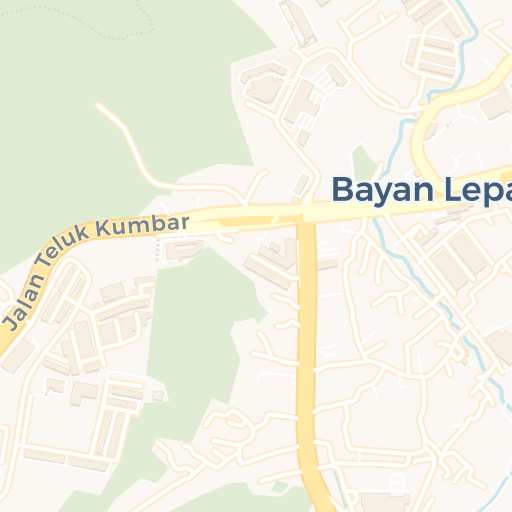
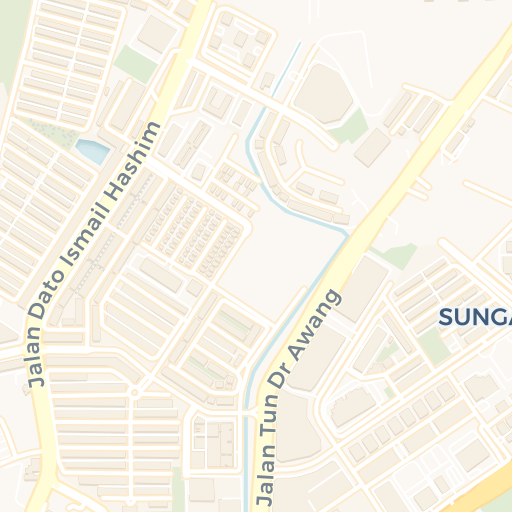
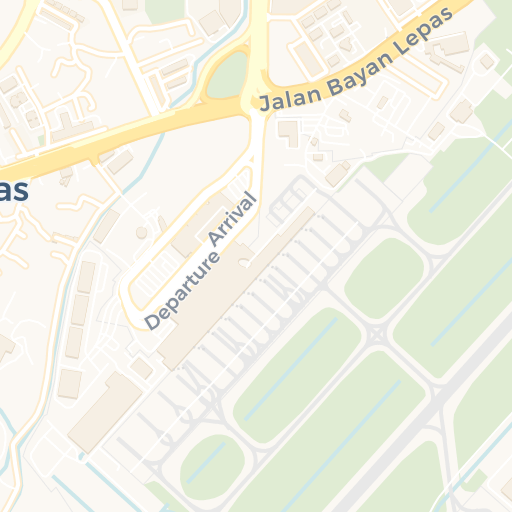
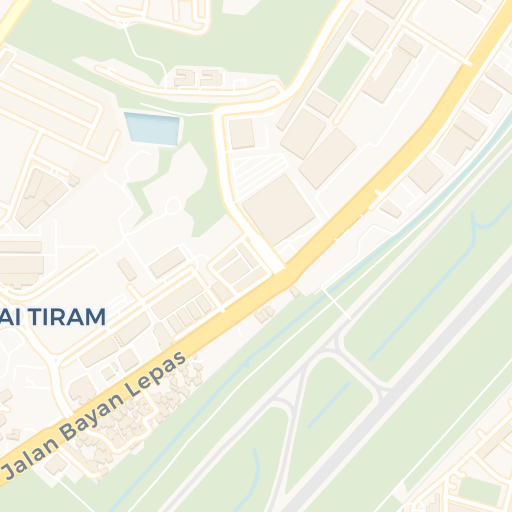
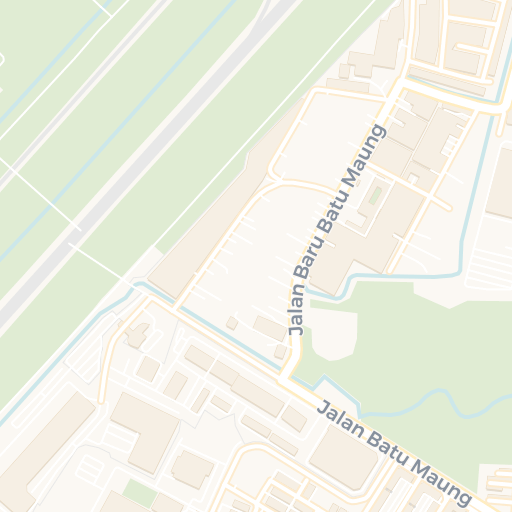
Persiaran Kelicap, 11900 Bayan Lepas, Pulau Pinang, Malaysia
MapsSetia Tri-Angle Apartment in Barat Daya, Penang recorded 14 subsale transactions between 2021 and 2026, sized between 1,275 and 1,324 sqft, with a median price of RM565K and a median price per square foot (PSF) of RM437.
This area consists exclusively of residential properties, with no commercial listings recorded.
Price remained flat, and PSF growth was PSF remained flat. The median price is RM565K, with most transactions falling within a stable range of RM500K to RM630K, and a typical market range of RM507K to RM624K.
Most transactions involved condominium/apartment, with minimal variety in property types.
The median PSF stands at RM437, with core pricing between RM387 and RM488. Market pricing typically extends from RM401.17 to RM473.67, reflecting moderate variation in unit pricing. With an IQR of RM72.50 and MAD of RM51, the PSF demonstrates reasonable consistency across the market.
Overall, the market in this area appears stable with consistent appreciation, making it an attractive option for both investors and homebuyers. The consistent property type and stable pricing make it easier to assess value and compare trends. Limited transaction history suggests carefully evaluating comparable sales data.