| LIST.MY · Taman Parit Bakar Murni | |||||
|---|---|---|---|---|---|
|
Road
|
Price
|
PSF
|
Size
|
Date
|
Type
|
| 2022 | |||||
|
Jalan Pt Bakar Tengah
|
RM785,000
|
RM356
|
2,207 sqft
|
|
2-Sty Terrace |
|
Jalan Pt Bakar Tengah
|
RM885,000
|
RM401
|
2,207 sqft
|
|
2-Sty Terrace |
Selling in Taman Parit Bakar Murni? Homes here sold for a median of RM835,000.
Free to list, about two minutes, and the buyers reading this page will see it.
Posts about Taman Parit Bakar Murni
No posts about Taman Parit Bakar Murni yet. Be the first to share what’s happening here.
Nearby areas in Parit Bakar
Dewan Tunku Mahkota Ismail
Taman Parit Bakar Indah-Tr.149
Taman Desa Baiduri - Tr 105
Taman Sri Unas 2
Taman Sutera ~ Pt Bakar
Taman Aman
Taman Parit Besar
Taman Temenggung Makmur
Taman Parit Bakar Murni
Taman Sri Lantapuri
Jalan Dato' Hj Kosai
Taman Unas Tropika
PSF median price per sq ft · 12m its change over the past 12 months
Most-traded areas in this mukim, by number of recorded subsale transactions. See every area in Parit Bakar
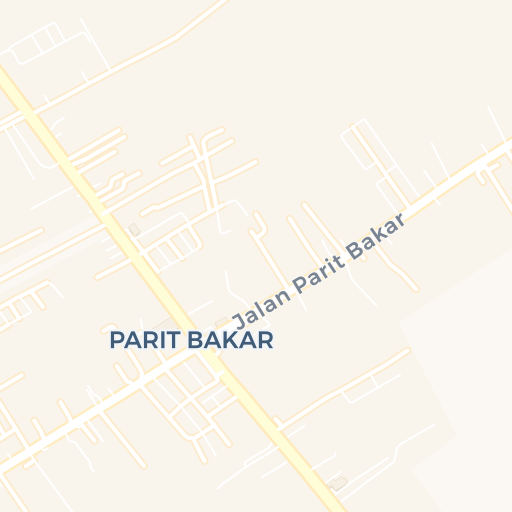
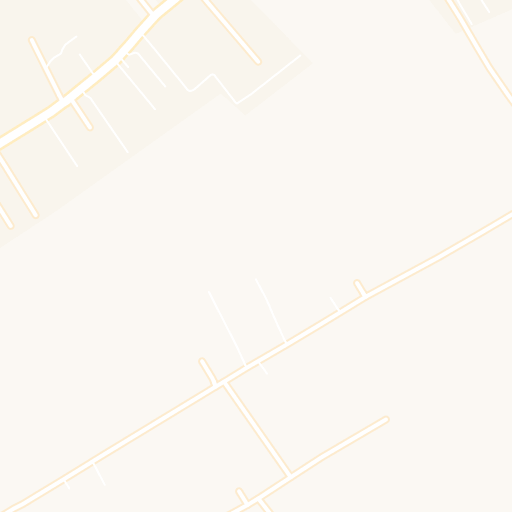
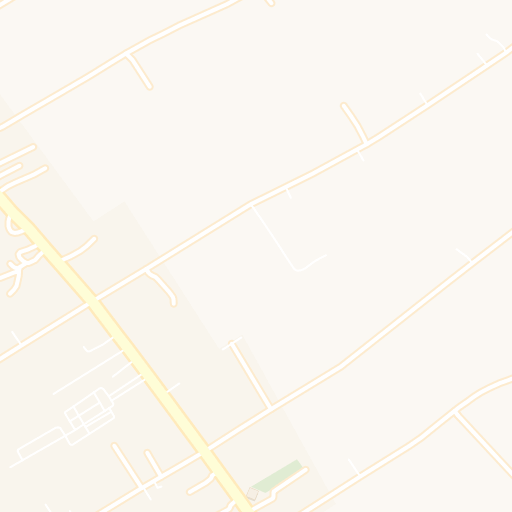
No 2, Jalan Parit Bakar Murni 2, Taman Parit Bakar Murni, 84000 Muar, Johor Darul Ta'zim, Malaysia
MapsTaman Parit Bakar Murni in Muar, Johor recorded 2 subsale transactions between 2021 and 2026, sized between 2,175 and 2,224 sqft, with a median price of RM835K and a median price per square foot (PSF) of RM378.
This area consists exclusively of residential properties, with no commercial listings recorded.
Price remained flat, and PSF growth was PSF remained flat. The median price is RM835K, with most transactions falling within a stable range of RM785K to RM885K, and a typical market range of RM785K to RM885K.
Most transactions involved 2 - 2 1/2 storey terraced, with minimal variety in property types.
For price per square foot, the median is RM378, with most transactions between RM356 and RM401. The usual range is RM336.04 to RM420.79, showing that most units are priced quite close to each other. With an IQR of RM84.75 and MAD of RM23, the PSF demonstrates reasonable consistency across the market.
Overall, the market in this area appears stable with consistent appreciation, making it an attractive option for both investors and homebuyers. The consistent property type and stable pricing make it easier to assess value and compare trends. Limited transaction history suggests carefully evaluating comparable sales data.