Taman Sejati
14000 Bukit Mertajam, Pulau Pinang, Malaysia
14000 Bukit Mertajam, Pulau Pinang, Malaysia
Property Type
| Price | PSF | Size | Date | Type |
|---|
Selling in Taman Sejati? Homes here sold for a median of RM577,500.
Free to list, about two minutes, and the buyers reading this page will see it.
Posts about Taman Sejati
No posts about Taman Sejati yet. Be the first to share what’s happening here.
Nearby areas in 11
Taman Pelangi
Taman Sri Rambai
Taman Desa Damai
Taman Limau Manis
Taman Bayu Mutiara
Taman Mutiara
Residensi Sejati
Taman Jambu Mawar
Taman Villa Indah
Taman Belimbing Ii
Taman Belimbing
Sunway Carnival Mall
Taman Sejati
PSF median price per sq ft · 12m its change over the past 12 months
Most-traded areas in this mukim, by number of recorded subsale transactions. See every area in 11
Market Snapshot
RM580,000
RM414 psfMedian transaction price
RM575,000
RM431 psfMedian transaction price
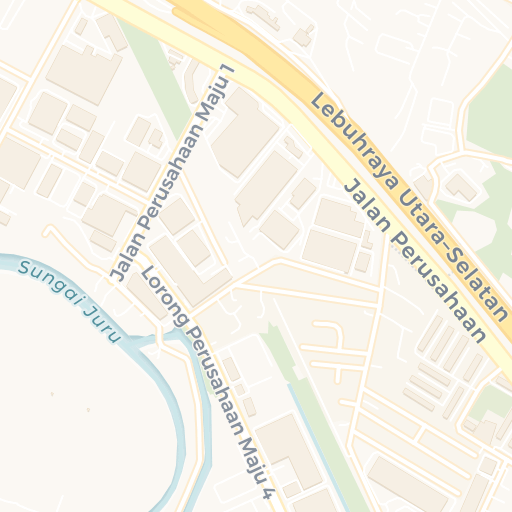
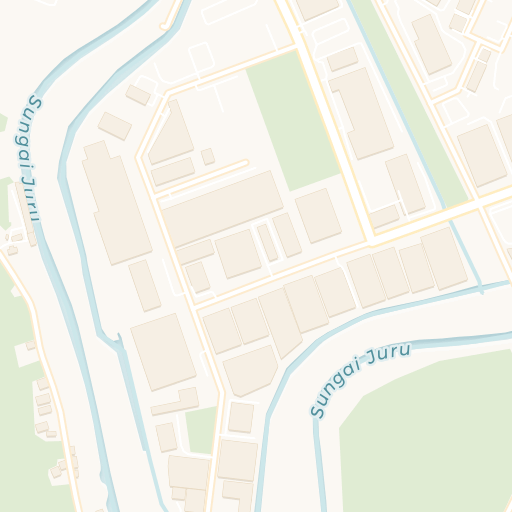
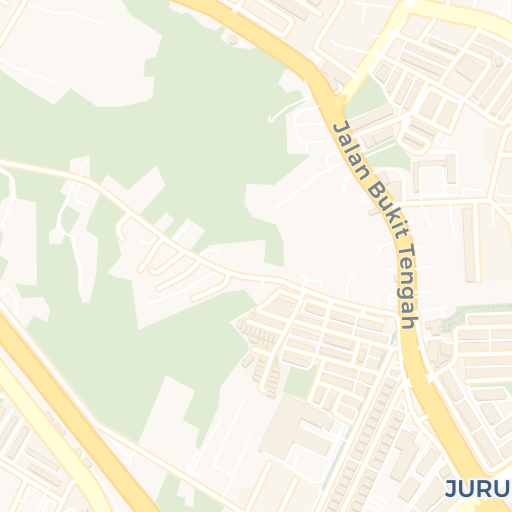
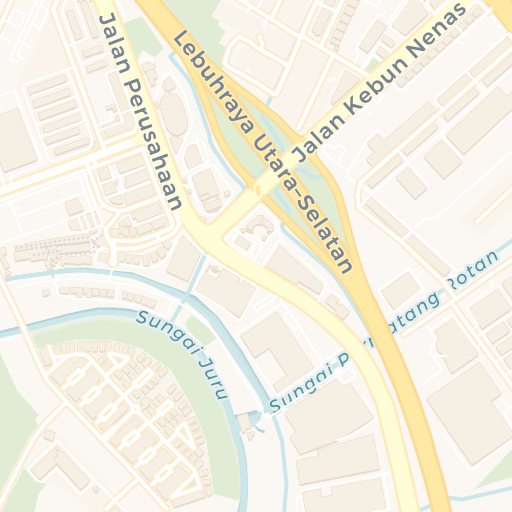
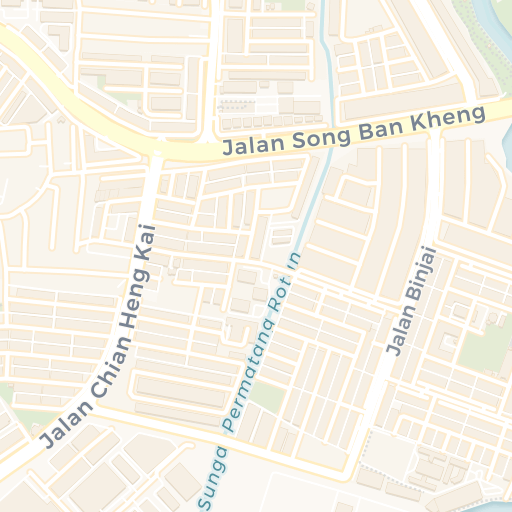
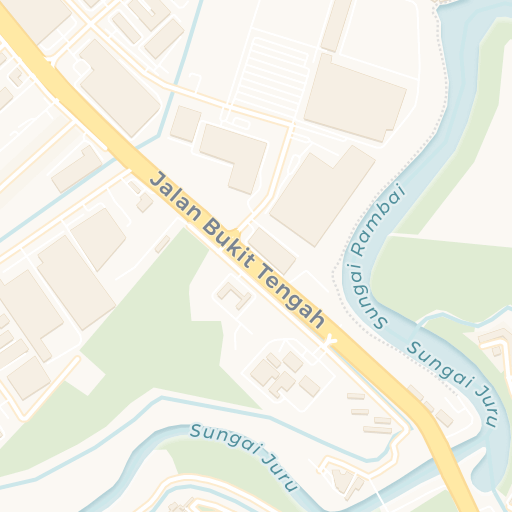
Taman Sejati, 14000 Bukit Mertajam, Pulau Pinang, Malaysia
MapsTaman Sejati in Seberang Perai Tengah, Penang recorded 4 subsale transactions between 2021 and 2026, with a median price of RM578K and a median price per square foot (PSF) of RM374.
This area contains both residential and commercial properties. View 3 residential properties or 1 commercial properties separately for more focused analysis.
Price remained flat, and PSF growth was PSF remained flat. The median price is RM578K, with most transactions falling within a stable range of RM565K to RM590K, and a typical market range of RM548K to RM600K.
Most transactions involved 2 - 2 1/2 storey terraced, with high diversity across multiple property types.
For price per square foot, the median is RM374, with most transactions between RM366 and RM383. The usual range is RM345.57 to RM402.82, showing that most units are priced quite close to each other. With an IQR of RM57.25 and MAD of RM9, the PSF demonstrates reasonable consistency across the market.
Overall, the market in this area appears stable with consistent appreciation, making it an attractive option for both investors and homebuyers. Despite diverse property types, prices remain relatively stable, offering options for different buyer preferences. Limited transaction history suggests carefully evaluating comparable sales data.